
|
|
ARTICLE

Paula Vega-Vega 1
Amalia Sáez Álvarez 2
Sofía Poblete Villegas 3
Camila Concha Méndez 4
1 Pontificia Universidad Católica de Chile, Chile
 0000-0001-5635-3030
 pvegav@uc.cl
2 Pontificia Universidad Católica de Chile, Chile
0009-0008-2129-2862
amalia.sez@uc.cl
3 Pontificia Universidad Católica de Chile, Chile
0009-0006-3004-8445
spobletev@uc.cl
4 Universidad de Aysén, Chile
0000-0001-5141-0091
camila.concha@uaysen.cl
* Undergraduate Research Fund (Winter 2024-Summer 2025). Research Office. Pontificia Universidad Católica de Chile (Pontifical Catholic University of Chile), grant numbers: IPREI2024/40-42 and IPREV2025/46-48
** Fondo de Investigación para Estudiantes Universitarios (invierno de 2024-verano de 2025). Oficina de Investigación. Pontificia Universidad Católica de Chile, números de subvención: IPREI2024/40-42 e IPREV2025/46-48.
*** Fundo de Pesquisa de Graduação (inverno de 2024-verão de 2025). Diretoria de Pesquisa. Pontificia Universidad Católica de Chile.
Theme: Coping and adaptation to health
Contribution to the discipline: Studies reveal how invisible the siblings of children with cancer often are, as from one day to the next, they are confronted with drastic changes in their lives. The problems they experience as a result of being excluded from the illness process and separated from their ill sibling highlight the need for nursing professionals to consider them, promoting their participation from diagnosis and throughout the course of the illness by providing information appropriate to their level of understanding and integrating them into the care of their sibling. Most importantly, this includes the development of psychoeducational interventions for them and their parents. This enables healthy siblings to develop personal tools to adapt to these new multidimensional changes, thus enhancing their quality of life, emotional well-being, and ability to face the experience resiliently.
Received: 08/05/2025
Sent to peer review: 12/06/2025
Accepted by peers: 04/07/2025
Approved: 29/07/2025
Para citar este artículo / To reference this article / Para citar este artigo Vega P, Sáez A, Poblete S, Concha C. Giving Voice to the Healthy Siblings of Children with Cancer: A Scoping Review. Aquichan. 2025;25(4):e2543. DOI: https://doi.org/10.5294/aqui.2025.25.4.3
Abstract
Introduction: Childhood cancer affects all family members, which is why recent studies have begun to show the vulnerability of healthy siblings who are involved in psychosocial, social, and academic aspects of patients' lives.
Objectives: To identify the experiences lived by healthy siblings of children with cancer that affect their well-being and quality of life during and after the illness.
Materials and Methods: A scoping review based on the Joanna Briggs Institute methodology, using the databases Web of Science, PubMed, CUIDEN, and CINAHL, following PRISMA guidelines, conducted between August 2024 and January 2025, with the descriptors Siblings, Children, Cancer, Social Problems, Experience, and Research. The findings of the selected articles were subjected to thematic analysis by the authors.
Results: Twenty-three scientific articles were selected, and four categories were identified: (a) Family distancing, (b) Deterioration of the healthy sibling's relationship with parents, (c) Impact on the healthy sibling's private life, and (d) Coping strategies developed by healthy siblings.
Conclusions: Healthy siblings face complex situations that compromise their well-being. Despite this, they manage to adapt, though they remain at risk of developing physical, socioemotional, and academic consequences. Therefore, they require active and multidimensional interventions that include them in their entirety and promote their quality of life.
Keywords (Source: DeCS): Sibling relations; child; cancer; life experiences; nursing
Resumen
Introducción: El cáncer infantil afecta a todos los miembros de la familia; por esta razón, algunos estudios han mostrado la vulnerabilidad en la que se encuentran los hermanos sanos, pues están comprometidos desde lo psicosocial, social y escolar. Objetivos: identificar las experiencias vividas por los hermanos sanos de niños con cáncer que afectan su bienestar y calidad de vida durante la enfermedad y posterior a ella.
Método: Revisión de alcance basada en la metodología del Joanna Briggs Institute en las bases de datos Web of Science, PubMed, CUIDEN y CINAHL, con base en PRISMA, entre agosto del 2024 y enero del 2025, por medio de los descriptores Siblings, Children, Cancer, Social Problems, Experience y Research. Los hallazgos de los artículos encontrados fueron sometidos a un análisis temático por las autoras.
Resultados: Se seleccionaron 23 artículos científicos; se identificaron cuatro categorías: (a) Distanci-amiento familiar, (b) Deterioro de la relación del hermano sano con los padres, (c) Impacto en la vida privada del hermano sano y (d) Estrategias de afrontamiento desarrolladas por los hermanos sanos.
Conclusiones: los hermanos sanos enfrentan situaciones complejas que comprometen su bienestar. A pesar de esto logran adaptarse, aunque corren el riesgo de desarrollar secuelas físicas, socioemocionales y escolares, por lo que requieren de intervenciones activas y multidimensionales que los incorporen en su integralidad y favorezcan su calidad de vida.
Palabras clave (Fuente DeCS): Relaciones entre hermanos; niño; cáncer; experiencias de vida; enfermería
Resumo
Introdução: O câncer infantil afeta todos os membros da família. Por esse motivo, alguns estudos têm mostrado a vulnerabilidade em que se encontram os irmãos saudáveis, que podem apresentar comprometimento nos âmbitos psicossocial, social e escolar.
Objetivos: Identificar as experiências vividas por irmãos saudáveis de crianças com câncer e que afetam seu bem-estar e qualidade de vida durante e após a doença. Materiais e métodos: revisão de escopo com base na metodologia do Joanna Briggs Institute, realizada nas bases de dados Web of Science, PubMed, CUIDEN e CINAHL, bem como segundo o PRISMA, entre agosto de 2024 e janeiro de 2025, por meio dos seguintes descritores: siblings, children, cancer, social problems, experience e research. Os achados dos artigos selecionados foram submetidos à análise temática pelos autores.
Resultados: Foram selecionados 23 artigos científicos; quatro categorias foram identificadas: (a) Distanciamento familiar; (b) Deterioração do relacionamento do irmão saudável com os pais; (c) Impacto na vida privada do irmão saudável; e (d) Estratégias de enfrentamento desenvolvidas por irmãos saudáveis.
Conclusões: Irmãos saudáveis enfrentam situações complexas que comprometem seu bem-estar. Apesar disso, conseguem se adaptar, embora corram o risco de desenvolver sequelas físicas, socioemocionais e escolares. Assim, requerem intervenções ativas e multidimensionais que os incorporem em sua totalidade e favoreçam sua qualidade de vida.
Palavras-chave (Fonte DeCS): Relações entre irmãos; criança; câncer; experiências de vida; enfermagem
Childhood cancer encompasses a group of diseases affecting children and adolescents, with an estimated 275,000 new cases worldwide each year, of which more than 105,000 result in death 1. This disease generates major changes in family dynamics, directly affecting healthy siblings, who often feel displaced from parental attention and care, as parents are forced to focus on supporting the child with cancer 2,3.
In recent years, there has been increased focus on siblings' experiences, leading to a rise in research on this topic worldwide 4,5. These studies have shown that siblings experience changes in their routines, roles, and emotional well-being, which can result in serious psychological, social, and academic challenges 3,6,7. In addition to the growing number of publications on the subject 8, the recent coronavirus pandemic had a significant impact on oncology health services 9,10. Therefore, analyzing and synthesizing current evidence on this subject is particularly relevant, as it highlights the urgent need for healthcare teams to support families while safeguarding the well-being of healthy siblings. Based on this, the objective of this manuscript is to identify the experiences lived by healthy siblings of children with cancer that affect their well-being and quality of life during and after the illness.
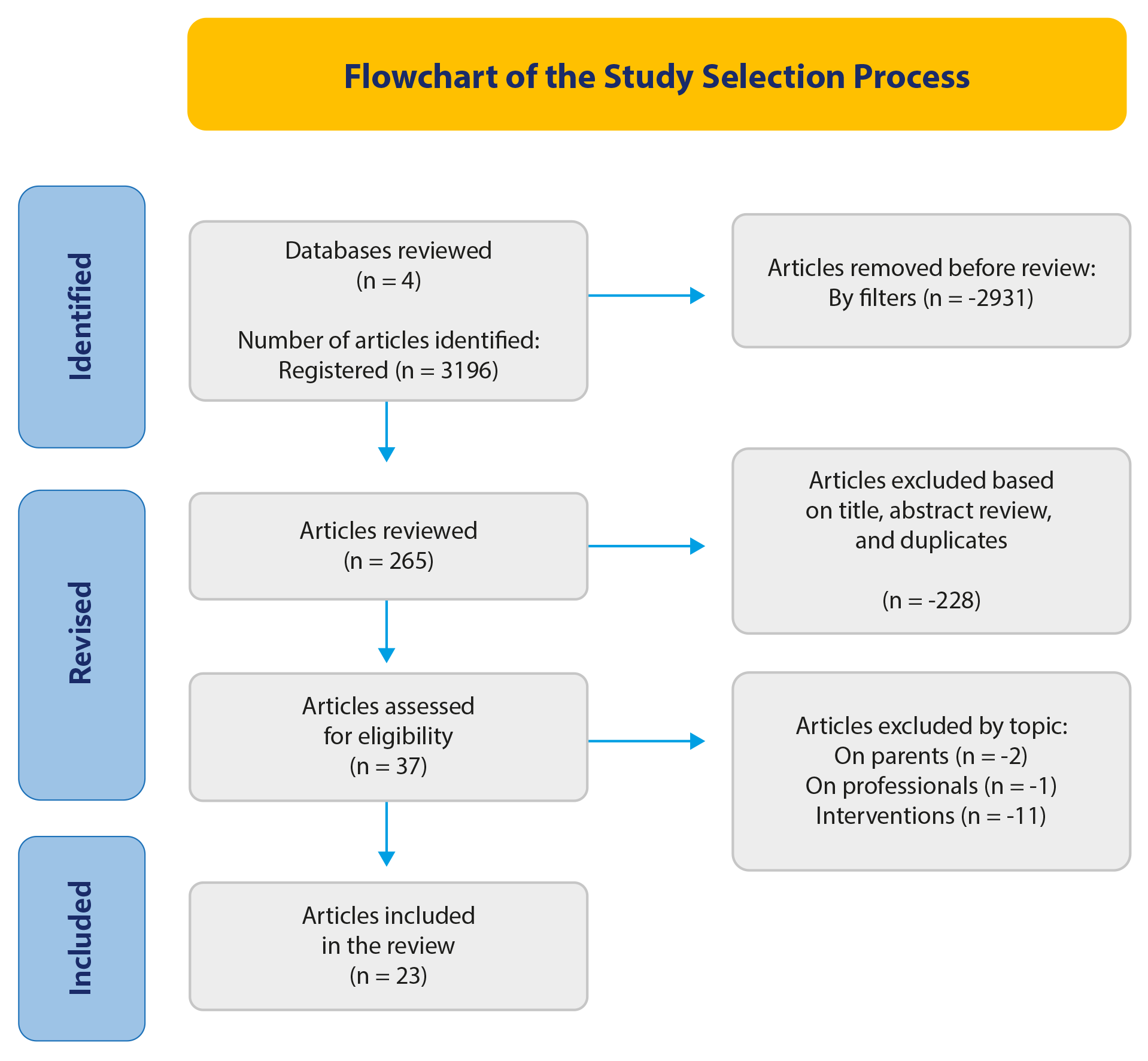
This was a scoping review of scientific literature related to the experiences of siblings of children with cancer 11. The research question was: What are the experiences lived by siblings of children with cancer that influence their well-being and quality of life? This review followed the methodology described in the Joanna Briggs Institute Reviewer's Manual for scoping reviews, in accordance with the Preferred Reporting Items for Systematic Reviews and Meta-Analyses extension for Scoping Reviews (PRISMA-ScR) checklist (see Figure 1). A bibliographic search was conducted between August 2024 and January 2025 in the databases Web of Science, PubMed, CUIDEN, and CINAHL. The descriptors used were Siblings AND Children AND Cancer AND Social Problems AND Experience AND Research. After removing duplicated articles, an initial screening of titles and abstracts was performed, followed by a full-text review. The inclusion criteria considered were primary scientific research with qualitative, quantitative, or mixed designs conducted with siblings of children with cancer, addressing their experiences, coping strategies, and difficulties. The exclusion criteria were systematic reviews and literature reviews. The filters used were full-text access in Spanish, English, or Portuguese, published between 2020 and 2025. For the analysis, data from the results sections of the selected articles were used and grouped into categories according to the themes identified.
Given the sensitivity of the population involved in this review, it is important to note that all selected articles complied with the ethical considerations relevant to research involving human beings.
Figure 1 PRISMA Flow Diagram of the Search Strategy and Article Selection Process
Source: Prepared by the authors.
A total of 3,196 articles were identified, of which 23 were selected. Of these, ten were quantitative studies 12-21, two had a mixed-methods design 22,23, and eleven were qualitative studies 24-35. Regarding the study population, fifteen were conducted exclusively with siblings 12,14,16,17,19-21,24,26-30,32,34, and eight included all family members 13,15,18,22,23,25,31,33.
For the studies involving siblings, in six articles the participants were children under 10 years of age 13,14,16,22,28,30, while in the remaining studies participants were adolescents and young adults 12,15,17-21,23-27,29,31-34. In two articles, the participants' siblings had died due to childhood cancer 22,33.
Regarding the countries of origin of the selected studies, research was conducted in the United States 20,22,25,27,33, Norway 24,26,31, Belgium 13,19, Australia 12,30, Germany 18,23, Turkey 14,34, Canada 15, Sweden 29, France 19, England 32, Israel 17, Iran 21, and Japan 28. No studies were found from Latin America or Africa (See Table 1).
Table 1 Evidence Extraction Matrix
Author/Year |
Title (original language) |
Study Type |
Study Objective |
Results |
|---|---|---|---|---|
Kelada L, Wakefield CE, Drew D, Ooi CY, Palmer EE, Bye A, et al. 2022 |
Siblings of young people with chronic illness: Caring responsibilities and psychosocial functioning |
Quantitative |
To examine the caregiving responsibilities of siblings of children with chronic illnesses and how these affect their psychosocial well-being and family relationships. |
1) Most siblings (57.8%) reported they took on caregiving responsibilities for their ill sibling, especially when parents were not at home or could not provide care because they were busy. 2) The most repeated responsibility was reminding the ill sibling to take their medication (40%). 3) Older siblings tended to take on more of the responsibilities. 4) Fulfilling these responsibilities generated a sense of happiness in healthy siblings. 5) Regarding the emotional and psychosocial functioning of healthy siblings, 25 % experienced distress, 42.5 % anxiety, 20 % depression, and 22.5 % rage. Their psychosocial functioning remained below the normative standards used. 6) Siblings who had caregiving responsibilities for the ill sibling showed lower levels of anxiety and need for support, and a greater development of coping strategies. Additionally, a better relationship with their ill sibling was reported. 7) When healthy siblings perceived that their parents gave them less attention and affection, they reported lower psychosocial and physical functioning. |
Van Schoors M, Sels L, Goubert L, Verhofstadt LL. 2021 |
Siblings dealing with pediatric cancer: a family- and context-oriented approach |
Quantitative |
To explore the association between intrafamilial and contextual resources and the individual adjustment of siblings facing a brother or sister’s cancer. |
1) The results showed that none of the variables examined-such as family emotional affection, family structure, or received support-were significantly associated with the siblings’ quality of life. 2) However, a significant association was found between family emotional affection and siblings’ feelings of loneliness; higher emotional affection was related to less loneliness. Additionally, greater perceived social support from both the family and external networks was associated with fewer feelings of loneliness. On the other hand, no significant associations were found between the studied variables and the uncertainty experienced by the siblings. |
Karayağmurlu A, Coşkun M, Pekpak E, Akbayram TH, Karayağmurlu E, Öğütlü H, et al. 2021 |
The Assessment of Quality of Life, Depression and Anxiety in Siblings of Children with Cancer: A Case- Control Study |
Quantitative |
To investigate the quality of life, prevalence of anxiety and depression, and associated factors in healthy siblings of children with cancer. |
1) Siblings of children with cancer showed significantly higher levels of depression/anxiety symptoms than the control group, particularly on the RCADS subscales of panic disorder, social phobia, and depression. 2) Siblings of children with cancer scored significantly lower on quality of life measures compared to siblings of children without cancer, especially in the domains of school and self-esteem. 3) There is a significant negative correlation between quality of life scores (KidKINDL) and the frequency of psychiatric symptoms (RCADS). 4) Depression/ anxiety was related to both siblings being the same sex and the intensity of the treatment. 5) A greater age difference between the healthy sibling and the ill sibling was associated with a lower quality of life. |
Desai A, Sutradhar R, Lau C, Lee DS, Nathan PC, Gupta S. 2022 |
Morbidity and health care use among siblings of children with cancer: A population- based study |
Quantitative |
To investigate the long- term impact of childhood cancer on the physical health of siblings of children with cancer. |
1) Siblings of children with cancer over 20 years old had a higher risk of hypertension and hospitalization compared to the control group. 2) Siblings of children with cancer had higher rates of emergency room visits for serious causes. 3) Siblings in the intervention group were more likely to access preventive healthcare, including regular health check- ups and flu vaccinations. 4) No significant differences were found between the two groups when evaluating other conditions, such as myocardial infarction (MI), coronary artery disease (CAD), diabetes mellitus (DM), cerebrovascular accidents, cancer, or death, among the siblings and the controls. 5) Demographic factors were better predictors of healthcare utilization among siblings of children with cancer than factors related to the ill sibling’s illness or treatment. |
Faust C, Auquier P, Gandemer V, Bertrand Y, Tabone MD, Ansoborlo S, et al. 2024 |
Educational outcomes in siblings of childhood leukemia survivors: Factors associated with school difhculties and comparison with general population |
Quantitative |
To describe the school difhculties of siblings and explore family factors related to cancer, associated with grade repetition post- diagnosis and the time elapsed since diagnosis. |
1) The main risk factors for repeating a grade were being an older sibling (OR 2.3, p = 0.006), family financial difhculties (OR 2.8, p = 0.008), and the fact that the survivor had also repeated a grade (OR 2.5, p = 0.001). Siblings who donated stem cells for transplantation showed a higher long-term risk of repeating a grade (p = 0.018). Despite these risks, siblings did not show greater educational delays at the end of high school compared to the general population. Grade repetition occurred on average six years after the diagnosis of the sick sibling. |
Hamama L, Levy S. 2024 |
Adolescent siblings of children with cancer: Resource‐ based profiles, normalization, and search for meaning in life |
Quantitative |
To explore the experiences of adolescent siblings of children with cancer, focusing on their resources, normalization strategies, and search for meaning in life. |
1) Adolescents with high resources were more likely to live with married parents and had fewer siblings. 2) Regarding normalization factors, adolescents with high resources scored higher on balancing life with the condition and on placing the condition at the center. Conversely, they scored lower on peer comparison compared to participants with low resources. 3) Adolescents with high resources showed higher levels of normalization and life-meaning search than participants with low resources. |
Kulisch LK, Engelhardt- Lohrke C, Jagla-Franke M. 2024 |
Coping behaviours among siblings of children with chronic health conditions |
Quantitative |
To identify coping behaviors that may have positive effects on mental health among siblings of children with chronic health conditions (SCCHCs). This information can be used to inform preventive programs. |
1) Siblings experienced loneliness and neglect. In addition, they often felt displaced by the needs of the ill sibling, leading to limited communication with the family. 2) Some siblings reported that family dynamics became more distant, while others said the illness brought them closer together. 3) The relationship between healthy and ill siblings changed after diagnosis. 4) Due to the demanding context for parents, siblings of ill children avoided creating more problems and tried to manage their emotions without asking for help, even when needed, in an effort to maintain normalcy. 5) School was the place where they could return to their normal life. 6) Close friends provided support or distraction. 7) The desire to be informed about the illness varied among siblings. |
Lemiere J, Raymaekers K, Prikken S, Van Laere E, Sleurs C, Uyttebroeck A, et al. 2025 |
Identity formation, personality, and well-being in adolescent and emerging adult siblings of survivors of pediatric cancer |
Quantitative |
To compare adolescent and adult siblings of pediatric cancer survivors, control participants regarding identity formation, personality traits, and overall well-being. |
1)Siblings of pediatric cancer survivors showed lower levels of kindness, conscience, openness, self-esteem, and life satisfaction compared to community peers. Gender had a significant influence: sisters showed greater identity confusion, neuroticism, and openness, and lower identity synthesis compared to brothers. Self-esteem, life satisfaction, and depressive symptoms were strongly related to identity formation and personality traits. Time since diagnosis and treatment intensity were not significantly related to the main study variables. 2)The experience of having a sibling with cancer can affect psychological individuation processes during critical developmental stages. Sibling relationships play an important role in shaping identity and psychosocial well-being. The study emphasizes the need to address siblings’ psychosocial well-being through specific assessments and tailored interventions. |
Wawrzynski SE, Cloyes KG, Arasteh K, Guo JW, Linder L, Reblin M, et al. 2025 |
Online Experiences, Internet- Fostered Connection, Resilience, and Adjustment Among Adolescent Siblings of Children with Cancer |
Quantitative |
Investigate the association between online experiences and a sibling’s perception of connection with friends and family online, the impact of online experiences on adjustment, the relationship between perceived connection with friends and family online and adjustment, and whether resilience moderates or mediates the associations between online experiences and psychosocial health outcomes. |
1)Positive online interactions played a crucial role in connecting siblings with friends and family, whereas negative online experiences contributed to poorer psychosocial adjustment, mediated by resilience. 2) The study’s findings are promising for improving the adjustment of adolescents facing stress, supporting them and strengthening their resilience, especially in the context of negative online experiences. |
Masoudifar Z, Rassouli M, Ashrafizadeh H, Fathollah Zadeh E, Dadashi N, Khanali Mojen L. 2022 |
Unfulfilled psychosocial needs of the adolescent siblings of patients with cancer and the identification of the related factors |
Quantitative |
Evaluate the unmet psychosocial needs (PSN) of adolescent siblings of patients with cancer in Iran and examine the relationships between demographic and medical variables and the PSN. |
1) Most adolescents reported at least one unmet L5 psychoemotional need. The most common unmet needs were in the dimensions of information about the sibling’s cancer and managing feelings, while the least common was practical assistance. 2) Participants reported feelings such as guilt, anxiety, fear, and ineffective coping with that fear due to a lack of emotional support from professionals. 3) When the child’s illness lasted for a prolonged period, the sibling showed greater understanding and adaptation, and therefore, the level of unmet needs decreased. |
Garcia D, Olsavsky AL, Hill KN, Patterson V, Baughcum AE, Long KA, et al. 2023 |
Associations Between Parental Depression Communication, and Self-worth of sibling bereaved by cancer |
Mixed |
Examine group differences in children’s overall self- esteem, parent-child communication, and parental depressive symptoms among a sample of matched comparison families, bereaved families, and non-bereaved families, and (b) examine the impact of bereavement on the child’s self- esteem through the indirect effects of parental depressive symptoms and parent- child communication. |
1) Bereaved siblings reported significantly lower self-esteem and poorer communication with their parents compared to those in families that had not experienced a loss. This pattern was observed both in the first and second year after the sibling’s death. |
Paul V, Inhestern L, Winzig J, Nasse ML, Krauth KA, Rutkowski S, et al. 2023 |
Emotional and behavioral problems of pediatric cancer survivors and their siblings: Concordance of child selfßreport and parent proxyßreport |
Mixed |
Develop an empirical, multi-perspective understanding of the emotional and behavioral problems of cancer survivors diagnosed with leukemia and brain tumors, as well as those of their siblings. In addition, the agreement between the child’s self-report and the parent’s report was examined. |
1) Parents were more burdened than healthy siblings. Siblings reported higher levels of conflict with their surroundings (peers). 2) In 28% of cases, siblings rated their emotional problems as more significant than their parents did. 3) Agreement between parent and sibling reports on prosocial behavior, emotional problems, and hyperactivity was rated as questionable. Peer relationship problems showed good agreement. In conclusion, congruence between survivor reports was relevant in all areas, except for peer relationship problems. |
Løkkeberg B, Sollesnes R, Hestvik J, Langeland E. 2020 |
Adolescent siblings of children with cancer: A qualitative study from a salitogenic health promotion perspective |
Qualitative |
Explore the experiences of adolescents with a sibling who has cancer from a salutogenic health promotion perspective. |
1) These findings indicate that childhood cancer represents a comprehensive stressor factor for the siblings of ill children. According to the salutogenesis theory, resolving the tension caused by a stressor may promote coping, meaning-making, and health. 2) The findings show that to turn tension into coping, siblings had to find meaning in regulating their own emotions and feelings-such as fear and loneliness-including those related to existential issues, and to engage in meaningful activities. 3) The quality of social support emerged as a primary resistance resource, both in itself and in promoting coping across the three areas mentioned above. |
Pariseau EM, Chevalier L, Muriel AC, Long KA. 2020 |
Parental Awareness of sibling adjustment: Perspective of parents and siblings of children with cancer |
Qualitative |
Characterize siblings’ and parents’ perceptions of parental awareness regarding siblings’ psychosocial functioning and describe how family functioning influences parental awareness. |
1) It was found that all siblings experience negative emotions related to cancer, but parents’ perceptions of these emotions vary. In most families, parents were not fully aware of the intensity or nature of siblings’ feelings, indicating low parental awareness. 2) Nevertheless, in approximately one quarter of families, parents showed greater awareness, although even in these cases, there were perceived limits to their full understanding of siblings’ experiences and emotions. 3) Several factors influence this parental awareness. Regarding the communication of emotions, siblings were often found to have difhculty expressing their negative feelings related to cancer. In families with greater parental awareness, siblings shared their emotions more frequently, despite the difhculties in doing so. Family messages often emphasized the need to maintain a positive attitude, which led siblings to feel restricted in expressing their negative emotions. 4) Conversations about emotions often required parents to take the initiative, as children rarely sought out their parents to discuss their feelings. |
Rasouli O, Moksnes UK, Reinfjell T, Hjemdal O, Eilertsen MEB. 2022 |
Impact of resilience and social support on long-term grief in cancer-bereaved siblings: an exploratory study |
Qualitative |
Evaluate bereavement adjustment and possible gender differences among young adults in bereavement, between 2 and 10 years after losing a brother or sister to cancer. The study also seeks to explore how resilience and social support influence their grief. |
1) Men were significantly younger at the time of their siblings’ death compared to women, and the time since the loss was longer for them. Most participants had worked through their grief to some degree, and although there were no significant gender differences in grief or resilience subscales, the perception of social support was generally low during the sibling’s illness but improved in the past year. 2) Regression analysis showed that social support following the sibling’s death and personal competence were important factors in the grieving process, and the adjusted multivariate model significantly predicted the ability to have worked through grief. |
Wawrzynski SE, Alderfer MA, Kvistad W, Linder L, Reblin M, Guo JW, et al. 2022 |
The social networks and social support of siblings of children with cancer. |
Qualitative |
Understanding social support among siblings by identifying sources and types of support within their social networks, and identifying how these sources and types of support are expressed. |
The size of the support network ranged from 3 to 10 people (M = 6 ± 1.9). Siblings most frequently reported mothers as sources of support (n = 22, 91.7%), followed by fathers (n = 19, 79.2%), close friends (n = 19, 79.2%), and siblings (with or without cancer) (n = 17, 70.8%). 2) The dimensions of support that a person may receive to a greater or lesser degree include emotional support, which can come from different sources; companionship; and indirect support from the family, although this last one is more focused on the sibling with cancer. |
Kaneko T, Niinomi K, Nonoyama T, Makishita A, Asano M. 2023 |
Consensus on the items for early identification of unmet psychosocial needs of siblings of children with cancer and blood disease: A modified Delphi method |
Qualitative |
Early identification of unmet psychosocial problems. Social needs of school-aged siblings of children with cancer and blood disorders. |
1) For adult siblings of individuals with life- limiting conditions, the experience of having a sibling in these circumstances changes over time. As siblings mature, they gain a better understanding of the severity of their sibling’s condition and its impact on family dynamics. 2) This shift in perception profoundly affects the siblings’ mental health, as they often face unmet support needs, both during childhood and adulthood. 3) Psychotherapy and peer support were identified as crucial in helping these siblings manage their emotions and prevent long-term mental health problems. |
Hovén E, Lindahl Norberg A, Toft T, Forinder U. 2023 |
Siblings of children diagnosed with cancer: being faced with a moral dilemma |
Qualitative |
Explore how the siblings of children diagnosed with cancer describe the implications of the cancer experience in their interaction with other young people. |
1) The greater the use of problem-focused coping strategies (minimization, situation control, positive self-instructions, and the need for social support), the better the quality of life among siblings of children with chronic illnesses. Including at least one of these strategies was associated with a better quality of life compared to participants who did not apply any. 2) The most frequently observed behavior was situation control. 3) Two coping patterns were identified: high coping (greater use of behaviors) and low coping (less use of behaviors). No significant differences were found between the two patterns. |
Davies J, O’Connor M, Halkett GKB, Kelada L, Gottardo NG. 2024 |
“I Don’t Get to Play with My Mum Anymore”: Experiences of Siblings Aged 8-12 of Children with Cancer: A quality study |
Qualitative |
Explore the experience of siblings aged 8 to 12 when their brother or sister is diagnosed with cancer. |
1) The siblings experience intense emotions such as anger, sadness, and loneliness due to the attention focused on the ill child. 2) They report stress-related physical symptoms, such as headaches, stomachaches, and sleep problems, including recurring nightmares. They hide their emotions so as not to worry their parents, who are already coping with the stress of the child’s cancer treatment. 3) Imaginative play (with toys or pets) is a common strategy to manage stress and process their emotions. They express sadness over the loss of opportunities to play with their ill sibling and the disruption of their daily activities. |
Kittelsen TB, Castor C, Lee A, Kvarme LG, Winger A. 2024 |
“What about me?”: lived experiences of siblings living with a brother or sister with a life-threatening or life-limiting condition |
Qualitative |
Exploring the siblings’ experiences of living with a brother or sister with an LT/LL condition, including non-cancerous conditions |
1) Siblings experienced challenges and stress when their brother or sister became ill. The circumstances of living with the ill sibling were unpredictable due to the uncertainty of not knowing when their health would worsen. In some cases, siblings were told that the ill child was going to die, but later, unexpectedly, the sibling recovered and survived. 2) The parents’ stay with their ill child in the hospital caused significant stress for the sibling who remained at home, due to loneliness and additional responsibilities. Moreover, the siblings missed the ill child greatly, experiencing sadness. On the other hand, when siblings were left alone with the patient, it entailed greater responsibility for the care required due to the illness. 3) Most of the time, siblings felt ignored, and they acknowledged that when they did receive attention from their family, it had a positive impact on their well-being. Younger siblings felt that parental attention was unequal, which generated feelings of unfairness and pain. The lack of attention did not diminish over the years. 4) Siblings often set aside their own needs, prioritizing those of their parents and ill sibling, rationalizing this by understanding the difhculties their parents faced and believing that their parents were doing the best they could. 5) Participants expressed that they would have liked more recognition from their family, friends, neighbors, and healthcare professionals. |
Batchelor R, Hotton M, Harris E, Lau- Zhu A, David AL. 2025 |
“We are here too”: Experiences and perceived support needs of adolescent siblings of Paediatric oncology inpatients |
Qualitative |
To identify the experiences and support needs of adolescent siblings when the child with cancer is in a pediatric oncology ward. |
1) Adolescent siblings often feel overlooked and invisible compared to the ill child. They experience constant uncertainty due to the unpredictability of treatment and changes in family dynamics. 2) They want to be more involved in their siblings’ hospital experience to feel part of the process. Most siblings expressed the need to have someone outside the family with whom they could talk about their feelings. 3) They value receiving clear, age-appropriate information about their sibling’s condition. A lack of structured services and ongoing emotional support for these siblings within the hospital system was identified. Suggested strategies include routine psychosocial assessments, open family communication, and sibling-specific support programs. |
Kenney AE, Tutelman PR, Fisher RS, Lipak KG, Barrera M, Gilmer MJ, et al. 2022 |
Impact of End-of-Life Circumstances on the Adjustment of Bereaved Siblings of Children Who Died from Cancer |
Qualitative |
To examine the impact of end-of-life circumstances on grief and internalizing symptoms among bereaved siblings. |
1) Siblings who were able to say goodbye to their deceased brother or sister (54 % of siblings) demonstrated greater personal growth following the bereavement. 2) Being present at the end of life was associated with a longer grieving period and greater grief- related growth. 3) Siblings’ feelings that they could have done things differently before their sibling died were related to more intense grief, but also to greater grief-related growth. 4) Some siblings experienced internalizing symptoms such as anxiety and depression, related to emotional difhculties. 5) Most siblings and mothers anticipated the death of the sick child. Additionally, parents were the ones who informed the siblings about the death of the child with cancer. 6) Among the siblings, 36 % were present, 25 % nearby, and 39 % absent. |
Ay Kaatsız MA, Öz F. 2020 |
I’m Here, too: Being an Adolescent Sibling of a Pediatric Cancer Patient in Turkey |
Qualitative |
To determine the experiences and needs of Turkish adolescent siblings of children with squamous cell carcinoma (SCC) and to identify whether there is a country- or culture- specific risk factor for these siblings. |
1) First encounter with the illness: Initially, the healthy siblings suspect that ‘something is wrong,’ as they infer that their parents are withholding information to protect them. As a result, they begin to seek information through various sources, which can either increase relief or fear regarding the cancer. Based on what they find online, healthy siblings often become frightened by the severity of the illness. Some even avoid seeking information for this reason. Additionally, parents emphasize the importance of avoiding infection risks. 2) Life changes: Relationships between parents and healthy siblings are altered, as healthy siblings sometimes observe the father’s vulnerability and the mother’s absence. Due to a lack of attention and the illness of the sibling with cancer, normality in school life is disrupted because of poor concentration and constant worry. In some cases, families had to move, creating complexities in social adaptation. Changes in family routines led healthy siblings to assume more responsibilities in caring for the ill sibling and household tasks, limiting social interactions due to lack of time and the need to avoid infections. This made them feel more adult. Participants experienced sadness over their sibling’s condition and the family context, loneliness from feeling abandoned by their parents, longing for their siblings, parents, and friends, anger at feeling ignored compared to the ill sibling, and fear of losing their friendships. 3) Coping styles: Avoidance was used, such as using their cell phone or trying not to think about the illness. Those who wanted to express their feelings or relieve tension shared with friends or played sports. Catharsis was achieved by crying or writing about their feelings. Spiritual coping involved appreciating what they have and not focusing on potential losses. 4) Expectations of family support: Healthy siblings preferred that family conflicts not affect them. They needed more attention from family and friends, as well as greater empathy from their environment. Participants wished the research interviews had been conducted earlier to fulfill their need to be heard and to have someone to talk to. To return to normality and continue with their lives, participants hoped that their ill siblings would get better as soon as possible. |
Source: Prepared by the authors.
Research shows that the diagnosis and treatment of childhood cancer cause deterioration within the family; this impact significantly affects the healthy siblings. The results of the articles were analyzed and synthesized into four categories that describe the siblings' life experiences: (a) Family Distancing, (b) Deterioration of the Relationship between the Healthy Sibling and the Parents, (c) Impact on the Private Life of the Healthy Sibling, and (d) Coping Strategies Developed by Healthy Siblings.
The findings for each of these categories and their dimensions are detailed below.
a) Family Distancing
Several articles highlight that childhood cancer causes a pause in families' usual routines due to prolonged hospitalizations, the need for travel, and the isolation required to protect the ill child. This forces families to modify their dynamics, reducing shared time together 24,28,31. The study by L0kkeberg et al. shows that parents in these families must reorganize and rely on other relatives to care for the healthy children, affecting the healthy children's daily lives and forcing them to adapt to new dynamics. In Hoven's study, healthy siblings reported that their parents "disappear," as they are physically absent 29, and when present, do not pay attention to them, prioritizing the care of the ill child instead 30. These dynamics can make some healthy siblings feel excluded from the family group, leaving them feeling lonely and pressured to solve their problems on their own 24,32.
Research also shows that from the moment of diagnosis, changes occur that deteriorate family communication and exacerbate the sense of distancing. This is due to withholding key information from healthy siblings, leading them to feel uncertain and fearful for not being involved by their parents 21,31. Consequently, they often seek information on the internet, which increases their anxiety 28,34. Some authors point out that the little information shared within the family is mainly aimed at fostering a positive attitude toward the illness. However, this leads healthy siblings to hide their negative emotions and pretend to be fine so as not to worry their parents 24,25,34, or to limit their questions for fear of the answers 28, reducing opportunities to discuss their feelings.
During the illness, communication is further affected: healthy siblings feel less supported by their parents, which impacts their self-esteem and their need to feel in control of the situation 18,22. In some cases, these children even report experiencing offense as a result of their cognitive and emotional capacities not being recognized 30,34.
Similarly, in Garcia et al.'s study, bereaved siblings reported significantly lower levels of self-esteem and poorer communication with their parents compared to those whose siblings survived the illness 22.
Other studies show that healthy siblings appreciate when parents provide them with clear, age-appropriate information about their sibling's condition, as this makes them feel involved in the situation 32. Such practices open opportunities for greater communication, where both can share feelings and improve their quality of life 18, thereby reducing the sense of distance caused by the illness.
b) Deterioration of the Relationship between Parents and the Healthy Child
As months pass following the diagnosis, healthy siblings begin to feel displaced due to physical separation from their parents and the changes in roles within the family routine 31,34. For many, this displacement is perceived as abandonment by their parents, a situation that deepens depending on the demands and length of hospitalizations 31. This negatively impacts the relationship between healthy siblings and their parents, as the parents' ability to attend to all their children equally decreases, focusing instead their attention, time, and energy on the ill child. This is especially true for mothers, who most often assume the role of caregiver 18,21,34.
Studies describe that healthy siblings perceive displacement because they feel neglected, abandoned, and ignored in their personal and upbringing needs 24,31,32,34. As a result, they often feel invisible and forgotten by parents who prioritize the ill sibling 31. The perception of parental neglect of healthy siblings was independent of the children's age. For younger children, it may generate a sense of unfairness towards them, while adolescents may experience resentment and anger, despite acknowledging the situation 31,34. Thus, studies indicate a deterioration in family relationships, which causes feelings of helplessness, emotional burden, and reduced psycho-emotional and physical functioning 28,31, affecting healthy siblings significantly.
Healthy siblings also describe a lack of recognition of their experiences and needs by the adults around them, as they neither ask about nor consider the exclusive time and space these children require 31,34. In fact, in the study by Pariseau et al., healthy siblings reported denying their emotions to avoid deviating from what was considered "appropriate," which led them to refrain from seeking support from their parents 22.
c) Impact on the Personal Life of the Healthy Sibling
Childhood cancer also affects the life of the healthy sibling, triggering severe physical, psycho-emotional, and social problems that impact their school life and personal development. Some authors note that healthy siblings need to maintain their lives under normal conditions within the family's usual activities, so that their quality of life is not affected 32. However, changes in family routines impose additional responsibilities on healthy siblings, as they may need to care for their sick sibling or assist with household tasks 34, which prevents them from engaging in their own activities and limits their social life.
Among the physical complications, Davies' study identifies symptoms of physical stress in healthy siblings, such as head aches, stomachaches, and sleep disturbances 30. Similarly, Desai et al. reports that these siblings are at higher risk of developing hypertension, more visits to the emergency room, and hospitalizations for serious health issues 15.
Regarding the psycho-emotional aspects, healthy siblings reported various negative emotions, particularly loneliness, which leads them to feel misunderstood as they have no one to confide in 24,29-31. They also perceive their parents' distancing 34. Van Schoors found a significant association between the emotional affection received within the family and feelings of loneliness in healthy siblings; greater perceived emotional affection was associated with lower loneliness 13. Additional feelings of guilt, anxiety, anger, and depression were reported, which hinder effective coping 21 and compromise their quality of life 14. According to Kelada et al., these aspects are more intense when healthy siblings must assume household responsibilities without being consulted for their preferences 12.
These psycho-emotional consequences appear in healthy siblings of both children who recover and those who do not survive. In the first case, Lemiere et al. showed that siblings of recovered children experience changes in personality traits that affect their overall well-being, making them susceptible to psychosocial sequelae 19. In the case of siblings of children who did not survive, there is a higher risk of developing psychological, emotional, behavioral, and school-related problems 22,26 compared to children whose siblings survived.
Regarding social and school aspects, some studies describe that healthy siblings gradually become aware of the complex situation experienced by their parents, siblings, and the family, which leads them to refrain from demanding attention and care for themselves. In doing so, they make their own needs, discomfort, and ailments invisible, thus avoiding becoming an additional burden for their parents 25,29,31, attempting to protect them or not bother them.
This aligns with the findings of Pariseau et al. and Davies et al., who described that healthy siblings do not want to worry their parents nor recognize the complexity of the family situation they are experiencing 25,30.
Despite this, during the illness process, healthy siblings experience "sudden growth" as they assume greater responsibilities in caring for the ill sibling and in household tasks 24,29. This situation leads to changes due to the sense of having lost their childhood, including shifts in future perspective, personal growth, and empathy ability 24,34. In Paul's study (2023), healthy siblings were found to exhibit more cooperative and considerate behaviors than the general population 23. Indeed, in cases of sibling death, those who shared time with their ill sibling at the end of life and were able to say goodbye experienced greater personal growth following the bereavement 33.
Similarly, the siblings' adaptation can be negatively affected when they experience adverse events that lead to deficiencies in social relationships, symptoms of post-traumatic stress, and emotional and behavioral instability 20.
The situations described above affect siblings' school life, as they report lower academic performance due to difficulties concentrating on responsibilities, increased anxiety, apathy, and frequent absences following changes in family routines 24,28,30,34, which relate to the progression of the illness 16,28,29. Paul's study found that 65% of siblings exhibited prosocial behavior, hyperactivity, and problematic behaviors with peers, associated with emotional problems 23. Faust suggests there are risk factors that exacerbate these problems, including being the older sibling, experiencing family financial difficulties, or the ill sibling having repeated a grade 16.
This is compounded by the lack of communication established between families and schools. In fact, Hoven's study reported that some healthy siblings chose not to disclose their sibling's illness 29, because they found it difficult to talk about the experience of having a brother or sister with cancer 13. All these circumstances affect the quality of life of healthy siblings 14, compromising their well-being.
d) Coping Strategies Developed by Healthy Siblings
As the disease progresses, siblings gradually learn to better adapt to the context 21. Some studies indicate they possess greater psycho-emotional resources, which allows them to better normalize the situation and have an improved quality of life by integrating their experiences 17,18; for Rasouli, this would be "personal competence" 26. These resources are related to their self-esteem, self-acceptance, self-efficacy, determination, hope, realistic life orientation, and the ability to follow daily routines as planned, which enhances their resilience in the face of adversity 24,26. However, some siblings cope with the situation through avoidance 34 to withdraw from the problem.
Although healthy siblings develop the capacity to adapt, they also need support to achieve a better quality of life, which, according to Kulisch, is related to receiving support from others 18 and is associated with personal factors such as conflict management, positive self-perception, and effective coping. This support, in Rasouli's words, should consist of psychosocial tools and effective coping strategies that help manage stress and process emotions 26,30.
The adaptation process of healthy siblings is facilitated when they can voluntarily engage in family dynamics changes, especially if they are considered in the care of their ill sibling, taking proactive responsibility for some tasks and supporting their parents, particularly when the parents are busy 12,17,32. Among the most frequent tasks is reminding the ill sibling to take medication (40% of cases), although they take on an average of more than four caregiving tasks 12. This participation leads to decreased anxiety and a greater perception of happiness in the healthy siblings, allowing them to develop better coping strategies and a stronger relationship with the ill sibling, serving as a protective factor for their mental health 12,32, especially if the sibling dies 31,33. This is further facilitated when there is greater emotional closeness and family support, allowing for higher involvement and adaptation 13. Relatedly, the study by Karayagmurl (2021) recommends that, if healthy siblings are older than the child with cancer, adults should ensure they are not given responsibilities that negatively affect their quality of life 14 and respect their needs.
Furthermore, family cohesion is associated with a lower sense of loneliness and a greater perception of well-being 13, 24,31, with mothers being one of the main sources of support for healthy siblings, followed by fathers 27. A clear family structure is related to greater emotional involvement by the healthy sibling in the illness process 13,29,27, allowing them to identify and address their own needs 23. According to Hamama, the presence and support of both parents are important in the family coping process in these situations 17.
Several studies highlight that one of the most relevant strategies for healthy siblings is being able to communicate with another person 18, 24, especially if they are outside the family circle 32. Friends, in particular, can provide opportunities to talk about the illness, find moments of relief, and maintain as normal a life as possible 18,27,29,34. For Hamama, social support fosters resilience and positive coping in siblings 17, giving them more meaning and hope in the face of the progression of their ill sibling's cancer.
The study by Masoudifar highlights the lack of programs focused on healthy siblings within family support, which would contribute more to the coping process from a family-centered approach 21, directly benefiting the healthy sibling's well-being.
Similarly, Lokkeberg's study mentions the importance of keeping the healthy sibling informed, satisfying their need for understanding, which promotes "faith and hope" 24 and encourages dialogue with others about their experiences with the illness, demonstrating the healthy sibling's psycho-emotional maturity 30. Therefore, it is necessary to activate family and social networks to promote greater recognition of the siblings' experiences as individuals 28,31.
This scoping review leads to the conclusion that healthy children face complex situations following the diagnosis of cancer in one of their siblings, arising not only from changes within family dynamics but also from marked changes in their relationship with their parents, which affect their well-being and quality of life. However, several of the analyzed studies refer to these children's and adolescents' capacity to develop coping strategies to adapt to daily life situations-within the family, at school, and in social contexts-allowing them to manage this adverse experience. Despite this, the findings indicate that children still experience socio-emotional sequelae, which requires intervention by health professionals that involves them individually and continuously 25,35,36. This would provide them the opportunity to recognize that something is wrong and to make sense of their sibling's illness, facilitating progressive adaptation to changes in their environment 37, particularly when accompanied by formal and directed social support 38.
Given the above, professional support and assertive communication are essential for the well-being of siblings of children with illnesses. Research highlights that cancer has a significant lifelong impact on healthy siblings 37,39, extending into adulthood. Consequently, addressing their needs through psychotherapy and peer support should be a key consideration when assessing and supporting families 40,41, particularly within both the family and school contexts 42, thereby promoting a holistic approach.
Therefore, the challenge for health professionals-particularly in nursing-is to address this issue from a multidimensional perspective, through interventions that promote the social adaptation of siblings 38, allowing their needs to be met in a personalized manner 46-48. Simultaneously, it is essential to develop interventions that equipe parents with tools to cope with the changes presented by healthy children 49, in response to the adaptations they make to the family situation arising from cancer.
Therefore, in the context of the sibling of a child with cancer, it is essential to consider that the illness directly affects the family and, consequently, the healthy sibling's quality of life 50. According to the Quality of Life Model 51, quality of life encompasses eight central dimensions: emotional well-being, interpersonal relationships, material well-being, personal development, physical well-being, self-determination, social inclusion, and rights. In other words, quality of life is multidimensional and determines a person's well-being in a holistic sense. Therefore, when supporting these families, it is essential to involve them in decision-making, thereby addressing this issue from a sociocultural perspective to promote the well-being and quality of life of families of children and adolescents with cancer-particularly the healthy siblings.
Acknowledgements: To the Research Directorate of the School of Nursing at the Pontificia Universidad Católica de Chile, for supporting the payment of the translation from Spanish to English.
Conflict of Interest: The authors declare no conflict of interest.
1. International Agency for Research on Cancer. IARC Marks In-ternational Childhood Cancer Day 2025 [Internet]. Lyon: WHO; 2025. https://gicr.iarc.fr/news/2025/02/15/international-childhood-cancer-day/
2. Borrescio-Higa F, Valdés N. The Psychosocial Burdenof Families with Childhood Blood Cancer. Int J Environ Res Public Health. 2022;19(1):599. DOI: https://doi.org/10.3390/ijerph19010599
3. Gan LL, Lum A, Wakefield CE, Nandakumar B, Fardell JE. School Experiences of Siblings of Children with Chrinic Illness: A Systematic Literature Review. J Pediatr Nurs. 2017;33:23-32. DOI: https://doi.org/10.1016/j.pedn.2016.11.007
4. Long KA, Lehmann V, Gerhardt CA, Carpenter AL, Marsland AL, Alderfer MA. Psychosocial Functioning and Risk Factors among Siblings of Children with Cancer: An Updated Systematic Review. Psychooncology. 2018;27(6):1467-79. DOI: https://doi.org/10.1002/pon.4669
5. Sievers Y, Roser K, Scheinemann K, Michel G, Ilic A. The Information Needs of Relatives of Childhood Cancer Patients and Survivors: A Systematic Review of Quantitative Evidence. Patient Educ Couns. 2024;126:104735. DOI: https://doi.org/10.1016/j.pec.2024.108316
6. Yang HC, Mu PF, Sheng CC, Chen YW, Hung GY. A Systematic Review of the Experiences of Siblings of Children with Cancer. Cancer Nurs. 2016;39(3):E12-21. DOI: https://doi.org/10.1097/NCC.0000000000000258
7. Cheung CK, Acquati C, Smith E, Katerere-Virima T, Helbling L, Betz G. The Impact of a Cancer Diagnosis on Sibling Relationships from Childhood Through Young Adulthood: A Systematic Review. J Fam Soc Work. 2020;23(4):357-77. DOI: https://doi.org/10.1080/10522158.2020.1799897
8. Santamaría Torres A, Rozo Guzmán AN, Trujillo Naranjo MC, Carreño Moreno SP. El hermano del niño con cáncer merece ser visible. Rev Latinoam Bioet. 2022;22(1):45-64. DOI: https://doi.org/10.18359/rlbi.5436
9. Davies J, O’Connor M, Halkett GKB, Kelada L, Gottardo NG. Parents’ Experiences of Childhood Cancer during the COVID-19 Pandemic: An Australian Perspective. J Pediatr Psychol. 2022;47(2):148-57. DOI: https://doi.org/10.1093/jpepsy/jsab125
10. Dorantes-Acosta E, Ávila-Montiel D, Domínguez Rojas J, Parra-Nigañez P, Velasco-Hidalgo L, Arias S, et al. Mortality in Children with Cancer and SARS-CoV-2 in Latin America: A Systematic Review. Front Pediatr. 2022;10:986880. DOI: https://doi.org/10.3389/fped.2022.928612
11. Baker JD. The purpose, Purpose, Process, and Methods of Writing a Literature Review. AORN J [Internet]. 2016;103(3):265-9. DOI: https://doi.org/10.1016/j.aorn.2016.01.016
12. Kelada L, Wakefield CE, Drew D, Ooi CY, Palmer EE, Bye A, et al. Siblings of Young People with Chronic Illness: Cancer REsponsibilities and Psychosocial Functioning. J Child Health Care. 2022;26(4):581-96. DOI: https://doi.org/10.1177/13674935211033466
13. Van Schoors M, Sels L, Goubert L, Verhofstadt LL. Siblings Dealing with Pediatric Cancer: A Family- and Context-Oriented Approach. J Pediatr Oncol Nurs. 2021;38(3):166-75. DOI: https://doi.org/10.1177/1043454221992303
14. Karayağmurlu A, Coşkun M, Pekpak E, Akbayram TH, Karayağmurlu E, Öğütlü H, et al. The Assesment of Quality of Life, Depression and Anxiety in Siblings of Children with Cancer: A Case-Control Study. Turk Onkol Derg. 2021;36(1):17-25. DOI: https://doi.org/10.5505/tjo.2020.2419
15. Desai A, Sutradhar R, Lau C, Lee DS, Nathan PC, Gupta S. Morbidity and Health Care Use among Siblings of Children with Cancer: A Population Based Study. Pediatr Blood Cancer. 2022;69(4):e29531. DOI: https://doi.org/10.1002/pbc.29438
16. Faust C, Auquier P, Gandemer V, Bertrand Y, Tabone MD, Ansoborlo S, et al. Educational Outcomes in Siblings of Childhood Leukemia Survivors: Factors Associated with School Difficulties and Comparison with General Population. Cancer Med. 2024;13(3):e36216. DOI: https://doi.org/10.1002/cam4.6821
17. Hamama L, Levy S. Adolescent Siblings of Children with Cancer: Resource Based Profiles, Normalization, and Search for Meaning in Life. J Adolesc. 2024;96(2):221-34. DOI: https://doi.org/10.1002/jad.12269
18. Kulisch LK, Engelhardt-Lohrke C, Jagla-Franke M. Coping Behaviours among Siblings of Children with Chronic Health Conditions. Adv Ment Health. 2024;23(1):4-20. DOI: https://doi.org/10.1080/18387357.2024.2329092
19. Lemiere J, Raymaekers K, Prikken S, Van Laere E, Sleurs C, Uyt-tebroeck A, et al. Identity Formation, Personality, and Well-Being in Adolescent and Emerging Adult Siblings of Survivors of Pediatric Cancer. J Psychosoc Oncol Res Pract. 2025;7(1):1-7. DOI: https://doi.org/10.1097/OR9.0000000000000162
20. Wawrzynski SE, Cloyes KG, Arasteh K, Guo JW, Linder L, Reblin M, et al. Online Experiences, Internet Fostered Connection, Resilience, and Adjustment among Adolescent Siblings of Children with Cancer. Cancer Nurs. 2025;48: E1-8. DOI: https://doi.org/10.1097/ncc.0000000000001284
21. Masoudifar Z, Rassouli M, Ashrafizadeh H, Fathollah Zadeh E, Dadashi N, Khanali Mojen L. Unfulfilled Psychosocial Needs of the Adolescents Siblings of Patients with Cancer and the Identification of the Related Factors. Front Psychol. 2022;13:1039925. DOI: https://doi.org/10.3389/fpsyg.2022.983980
22. Garcia D, Olsavsky AL, Hill KN, Patterson V, Baughcum AE, Long KA, et al. Associations between Parental Depression, Com-munication, and Self Worth of Siblings Bereaved by Cancer. J Fam Psychol. 2023;37(8):1190-9. DOI: https://doi.org/10.1037/fam0001137
23. Paul V, Inhestern L, Winzig J, Nasse ML, Krauth KA, Rutkowski S, et al. Emotional and Behavioral Problems of Pediatric Cancer Survivors and Their Siblings: Concordance of Child Self Report and Parent Proxy Report. Psychooncology. 2023;32(8):1248-56. DOI: https://doi.org/10.1002/pon.6175
24. Løkkeberg B, Sollesnes R, Hestvik J, Langeland E. Adolescent Siblings of Children with Cancer: A Qualitative Study from a Salutogenic Health Promotion Perspective. Int J Qual Stud Health Well-being. 2020;15(1):1842015. DOI: https://doi.org/10.1080/17482631.2020.1842015
25. Pariseau EM, Chevalier L, Muriel AC, Long KA. Parental Awareness of Siblings Adjustment: Perspective of Parents and Siblings of Children with Cancer. J Fam Psychol. 2020;34(6):698-708. DOI: https://doi.org/10.1037/fam0000615
26. Rasouli O, Moksnes UK, Reinfjell T, Hjemdal O, Eilertsen MEB. Impact of Resilience and Social Support on Long Term Grief in Cancer Bereaved Siblings: An Exploratory Study. BMC Palliat Care. 2022;21(1):93. DOI: https://doi.org/10.1186/s12904-022-00978-5
27. Wawrzynski SE, Alderfer MA, Kvistad W, Linder L, Reblin M, Guo JW, et al. The Social Networks and Social Support of Siblings of Children with Cancer. Children. 2022;9(1):113. https://doi. org/10.3390/children9010113
28. Kaneko T, Niinomi K, Nonoyama T, Makishita A, Asano M. Consensus on the Items for Early Identification of Unmet Psychosocial Needs of Siblings of Children with Cancer and Blood Disease: A Modified Delphi Method. Nurs Open. 2023;10(10):7025-37. DOI: https://doi.org/10.1002/nop2.1958
29. Hovén E, Lindahl Norberg A, Toft T, Forinder U. Siblings of Children Diagnosed with Cancer: Being FAced with a Moral Dilemma. J Fam Stud. 2023;29(3):1043-60. DOI: https://doi.org/10.1080/13229400.2021.2021273
30. Davies J, O’Connor M, Halkett GKB, Kelada L, Gottardo NG. “I don’t get to play with my mum anymore”: Experiences of Siblings Aged 8-12 of Children with Cancer: A Qualitative Study. J Pediatr Hematol Oncol Nurs. 2024;41(4):265-75. DOI: https://doi.org/10.1177/27527530241267324
31. Kittelsen TB, Castor C, Lee A, Kvarme LG, Winger A. “What about me?”: Lived Experiences of Siblings Living with a Brother or Sister with a Life-Threatening or Life-Limiting Condition. Int J Qual Stud Health Well-being. 2024;19(1):2321645. DOI: https://doi.org/10.1080/17482631.2024.2321645
32. Batchelor R, Hotton M, Harris E, Lau-Zhu A, David AL. “We are here too”: Experiences and Percieved Support Needs of Adolescent Siblings of Paediatric Oncology Inpantients. Br J Health Psychol. 2025;30(1):e12785. DOI: https://doi.org/10.1111/bjhp.12785
33. Kenney AE, Tutelman PR, Fisher RS, Lipak KG, Barrera M, Gilmer MJ, et al. Impact of End-of-Life-Circumstances on the Adjustment of Bereaved Siblings of Children Who Died from Cancer. J Clin Psychol Med Settings. 2022;29(1):230-8. DOI: https://doi.org/10.1007/s10880-021-09797-x [ 33 ]
34. Ay Kaatsız MA, Öz F. I’m Here, too: Being an Adolescent Sibling of a Pediatric Cancer Patient. in Turkey. J Pediatr Nurs. 2020;51:e77-84. DOI: https://doi.org/10.1016/j.pedn.2019.10.003
35. Sepehrtaj A, Younesi SJ, Seyed Mousavi P, Khani Jeihooni A, Jafari P. Effectiveness of Theraplay in Internalizing and Externalizing Problems in Bereaved Siblings of Children with Cancer. Iran J Psychiatry Behav Sci. 2021;15(2):e103992. DOI: https://doi.org/10.5812/ijpbs.103992
36. Barrera M, Atenafu EG, Schulte F, Nathan PC, Hancock K, Saleh A. A Randomized Controlled Trial of a Gropu Interventioin for Siblings of Children with Cancer: Changes in Symptoms of Anxiety in Siblings and Caregivers. Psychooncology. 2018;27(6):1629-34. DOI: https://doi.org/10.1002/pon.4707
37. Long KA, Marsland AL, Wright A, Hinds P. Creating a Tenuous Balance: Siblings’ Experience of a Brother’s or Sister’s Childhood Cancer Diagnosis. J Pediatr Oncol Nurs . 2015;32(1):21-31. DOI: https://doi.org/10.1177/1043454214555194
38. Wawrzynski SE, Schaefer MR, Schvaneveldt N, Alderfer MA. Social Support and Siblings of Schildren with Cancer: A Scoping Review. Psychooncology. 2021;30(8):1232-45. DOI: https://doi.org/10.1002/pon.5689
39. Rosenberg AR, Postier A, Osenga K, Kreicbergs U, Neville B, Dussel V, et al. Long-Term Psychosocial Outcomes among Bereaved Siblings of Children with Cancer. J Pain Symptom Manage. 2015;49(1):55-65. DOI: https://doi.org/10.1016/j.jpainsym-man.2014.05.006
40. Kirk S, Pryjmachuk S. ‘People don’t realise how much their past experiences affect them in adulthood’: A Qualitative Study of Adult Siblings’ Experiences of Growing Up with a Sister/Brother with a Childhood Life-Limiting Condition and Their Perceived Support Needs. Palliat Med. 2024;38(3):352-63. DOI: https://doi.org/10.1177/02692163231225100
41. Long KA, Davis KA, Pariseau E, Muriel AC, Kazak AE, Alderfer MA. Initial Validation of a New Psychosocial Screener for Siblings of Youth with Cancer: The Psychosocial Assessment Tool Sibling Modules. Psychooncology. 2022;31(10):1774-81. DOI: https://doi.org/10.1002/pon.6024
42. Alderfer MA, Stanley C, Conroy R, Long KA, Fairclough DL, Kazak AE, et al. The Social Funtioning of Siblings of Children with Cancer: A Multi Information Investigation. J Pediatr Psychol. 2015;40(3):309-19. DOI: https://doi.org/10.1093/jpepsy/jsu079
43. Suárez Fernández M, Terrón Pérez M. Experiencias y necesidades de los hermanos de niños en situación paliativa: estudio cualitativo desde la perspectiva de los profesionales. Med Paliat. 2020; 27:280-6. DOI: https://doi.org/10.20986/medpal.2020.1017/2018
44. Montero Ossandón O, Dois LE, Cid AM. Manual de atención de familias para profesionales de la salud. Santiago: Ediciones UC; 2012. 272 p.
45. Franklin M, Patterson P, Allison KR, Rosso-Buckton A, Walczak A. An Invisible Patient: Healthcare Professionals’ Perspectives On Caring for Adolescents and Young Adults Who Have a Sibling with Cancer. Eur J Cancer Care (Engl). 2018;27(6):e12970. DOI: https://doi.org/10.1111/ecc.12970
46. Mooney-Doyle K, Burley S, Ludemann E, Rawlett K. Multifaceted Support Interventions for Siblings of Children with Cancer: A Systematic Review. Cancer Nurs. 2021;44(6):E609-35. DOI: https://doi.org/10.1097/NCC.0000000000000966
47. Amaro CM, Alderfer MA, Gerhardt CA, Wawrzynski SE, Goldish M, Long KA. Bringing Together a Transdisciplinary Team to Create and Advance a Shared Vision for Research and Support for Siblings of Youth with Cancer. J Pediatr Hematol Oncol Nurs. 2023;40(1):34-42. DOI: https://doi.org/10.1177/27527530221121727
48. Guan T, Chapman MV, Qan’ir Y, Song L. Psychosocial Interven-tions for Siblings of Children with Cancer: A Mixed Methods Sys-tematic Review. Psychooncology. 2021;30:818-31. DOI: https://doi.org/10.1002/pon.5684
49. Brosnan P, Davis KA, Mazzenga M, Oberoi AR, Sharkey CM, Buchbinder D, et al. Care Providers’ Perspectives: Barriers to Implementing Services for Siblings of Children with Cancer. Pediatr Blood Cancer. 2022;69(2):e29418. DOI: https://doi.org/10.1002/pbc.29418
50. Dinleyici M, Çarman KB, Özdemir C, Harmancı K, Eren M, Kirel B, et al. Quality-of-Life Evaluation of Healthy Siblings of Children with Chronic Illness. Balkan Med J. 2019;37(1):34-42. DOI: https://doi.org/10.4274/balkanmedj.galenos.2019.2019.7.142
51. Schalock RL. The Concept of Quality of Life: What We Know and Do Not Know. J Intellect Disabil Res. 2004;48(3):203-16. DOI: https://doi.org/10.1111/j.1365-2788.2003.00558.x